
The 10 Best Christmas Markets in Europe for 2026 (With Real Dates, Prices and Insider Tips)
Picture it: a cathedral glowing gold above a sea of wooden huts, the smell of cinnamon and roasting almonds, a hot mug warming your gloved hands while a brass band plays carols. That is a European Christmas market at its best, and it is every bit as magical as the photos.
It can also be a crowded, overpriced letdown if you pick the wrong city, the wrong night or the wrong week. This guide fixes that. Below are the 10 Christmas markets in Europe that are most worth the trip in 2026, with opening dates confirmed from official sources, what each one does best, and the small tricks that make a December trip feel effortless instead of exhausting.
The quick answer: which Christmas market is best?
If you only have time to read one paragraph, here it is:
- Best overall: Vienna. More than a dozen markets in one city, palace backdrops, and some markets open until 6 January.
- Most fairy-tale: Colmar, with Strasbourg (the self-styled "Capital of Christmas") about 30 minutes away by train.
- Best value: Prague. Postcard Old Town, lower prices than Vienna, and open into January.
- Most traditional: Nuremberg, home of the Christkind and the famous little sausages.
- Best for a unique twist: Copenhagen's Tivoli Gardens, a whole amusement park dressed for Christmas.
Now the details.
2026 Christmas market dates at a glance
Every date below was checked against the organizer or city tourism site in October 2026. Hours change on 24, 25 and 31 December, so always check the official site before you go.
| City | Main market | 2026 dates |
|---|---|---|
| Vienna | Rathausplatz (City Hall) | 13 Nov – 26 Dec |
| Vienna | Schönbrunn Palace | 6 Nov 2026 – 6 Jan 2027 |
| Strasbourg | Christkindelsmärik + old-town markets | 27 Nov – 24 Dec |
| Colmar | Old-town markets | 23 Nov – 29 Dec |
| Prague | Old Town Square & Wenceslas Square | 28 Nov 2026 – 6 Jan 2027 |
| Nuremberg | Christkindlesmarkt, Hauptmarkt | 27 Nov – 24 Dec |
| Salzburg | Christkindlmarkt, Domplatz & Residenzplatz | 19 Nov 2026 – 1 Jan 2027 |
| Cologne | Cathedral market (Roncalliplatz) | 16 Nov – 23 Dec (closed 22 Nov) |
| Dresden | Striezelmarkt, Altmarkt | 25 Nov – 24 Dec |
| Copenhagen | Christmas in Tivoli | 13 Nov 2026 – 3 Jan 2027 (check 24 Dec) |
| Budapest | Vörösmarty Square | 13 Nov – 31 Dec |
| Tallinn | Town Hall Square | 20 Nov 2026 – 6 Jan 2027 |
The big takeaway: most German and French markets close on or before Christmas Eve. If you are travelling between Christmas and New Year, pick Vienna (Schönbrunn), Prague, Salzburg, Copenhagen, Budapest or Tallinn.
1. Vienna, Austria: the best all-rounder
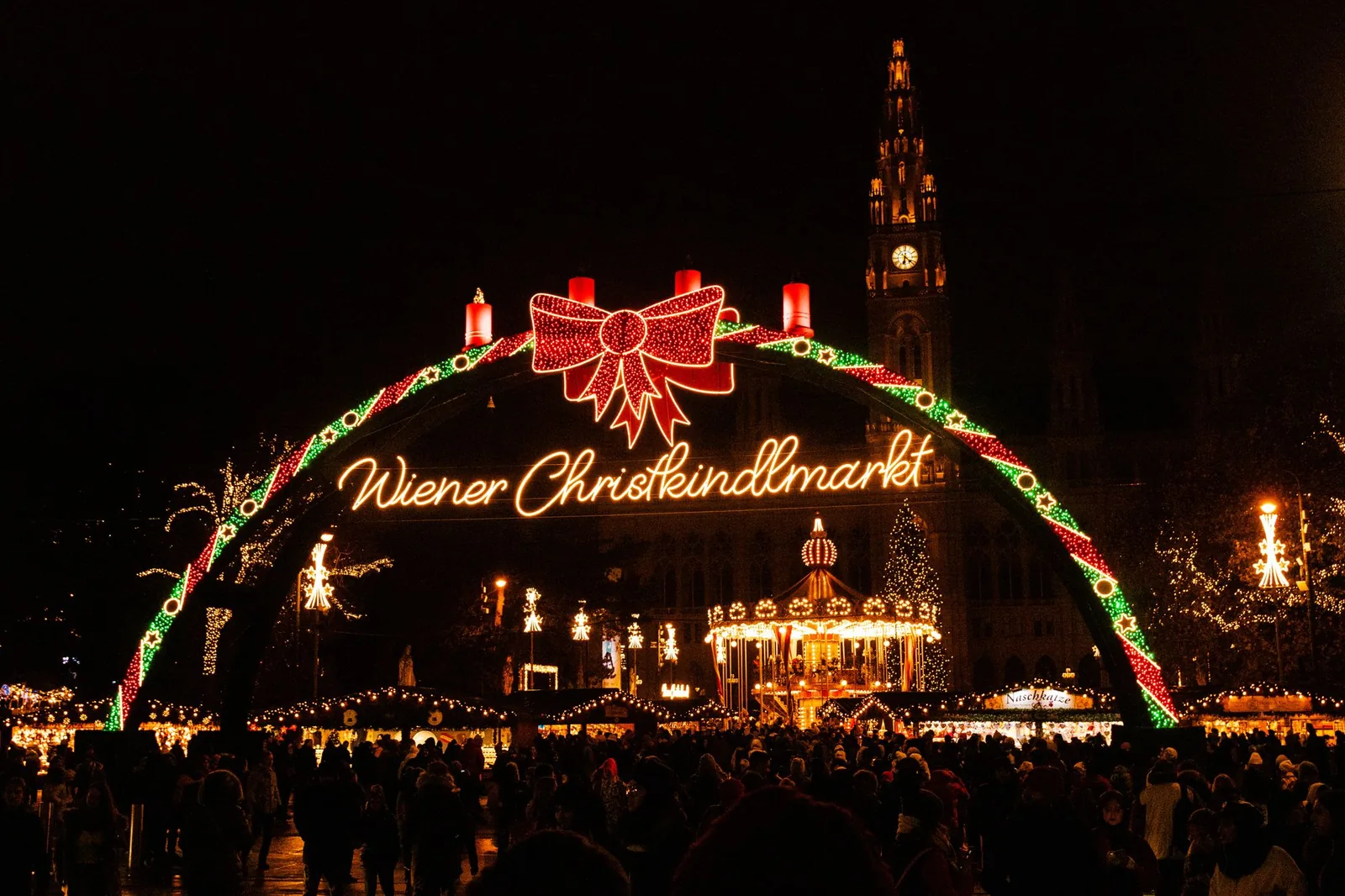
Vienna doesn't have a Christmas market. It has a whole season of them. The flagship Wiener Christkindlmarkt on Rathausplatz runs 13 November to 26 December 2026, open daily 10am to 10pm, with an ice-skating trail through the park out front. The Schönbrunn Palace market opens first, on 6 November, and stays open until 6 January 2027, with free entry.
The smaller markets are where Vienna really shines:
- Spittelberg (13 Nov – 23 Dec): handmade gifts in the tiny cobbled lanes of a Biedermeier neighbourhood.
- Art Advent at Karlsplatz (13 Nov – 23 Dec): crafts in front of the domed Karlskirche, with certified organic food.
- Freyung (14 Nov – 23 Dec): the Old Viennese market, held on this square as early as 1772.
Insider tip: go at around 4pm. The lights are already on, the punch queues are short, and you beat the after-work crowd.
What to drink: Punsch (fruit punch, often with rum) as well as Glühwein. In 2025 a punch at Vienna's markets averaged about €5.50 (about $6), plus a mug deposit of around €5 at Rathausplatz. Hand the mug back for your deposit, or keep it as a souvenir.
Planning Vienna? Our 3 Days in Vienna at Christmas itinerary walks through the markets in a sensible order.
2. Strasbourg, France: the "Capital of Christmas"
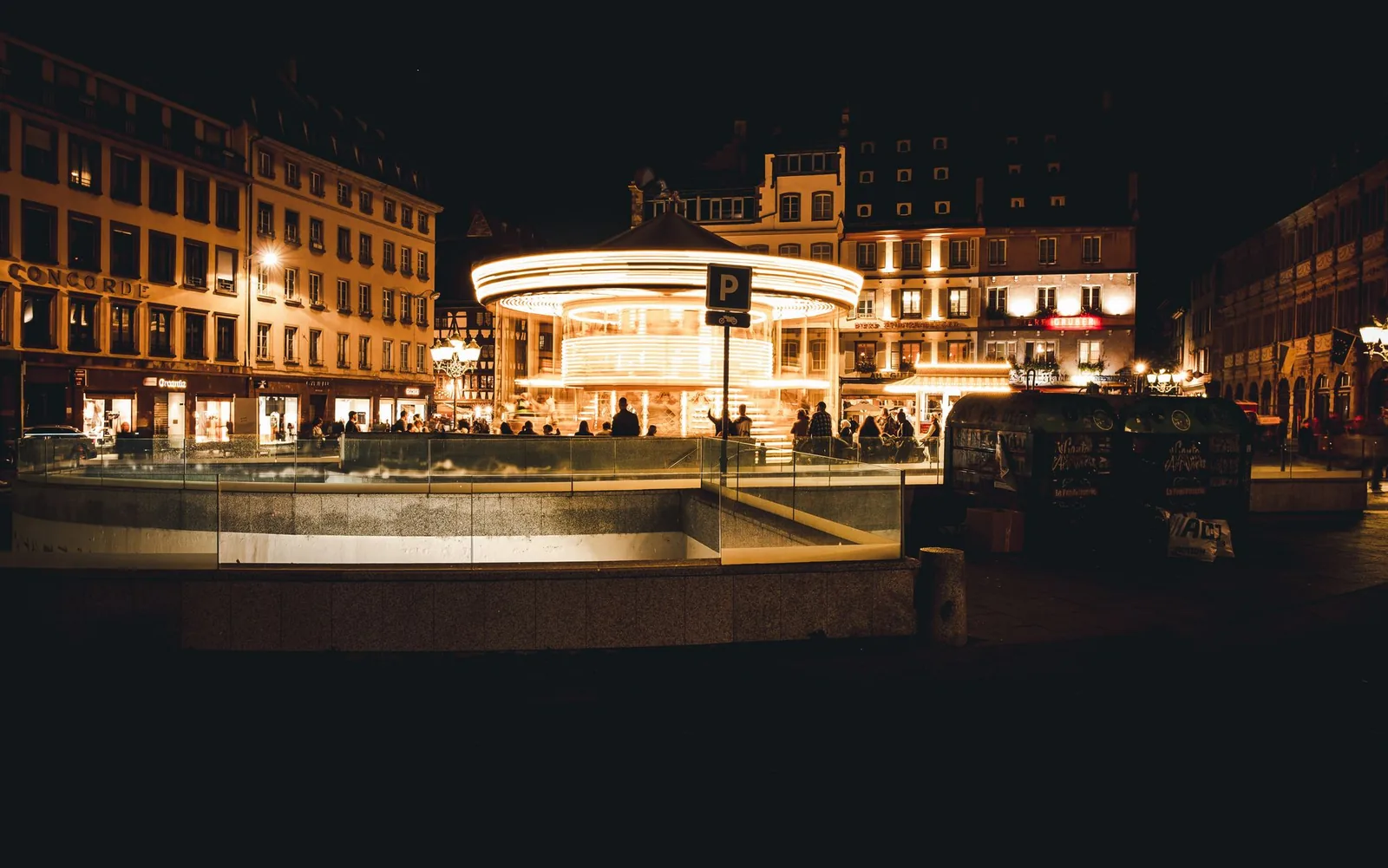
The Christkindelsmärik dates back to 1570, which makes it one of the oldest Christmas markets in Europe. In 2026 it runs from Friday 27 November to Thursday 24 December, with chalets open daily 11am to 9pm (2pm to 9pm on opening day, closing at 6pm on Christmas Eve). The Great Christmas Tree on Place Kléber is lit on opening night, and the city's street illuminations switch on a week earlier, on 20 November.
There are around eight market sites spread across the Grande Île, the UNESCO-listed old town, so you walk from square to square: Place Broglie, around the cathedral, Place Kléber, La Petite France and more.
Insider tip: go on a Monday or Tuesday, or in the morning. Wednesday afternoons, Friday evenings and weekends are very busy.
Good to know: the old town is closed to cars during market hours, and hot drinks come with a €1 cup deposit. If you arrive by car, the park-and-ride costs €4.20 per day including a return tram trip.
3. Colmar, France: the one that looks like a storybook
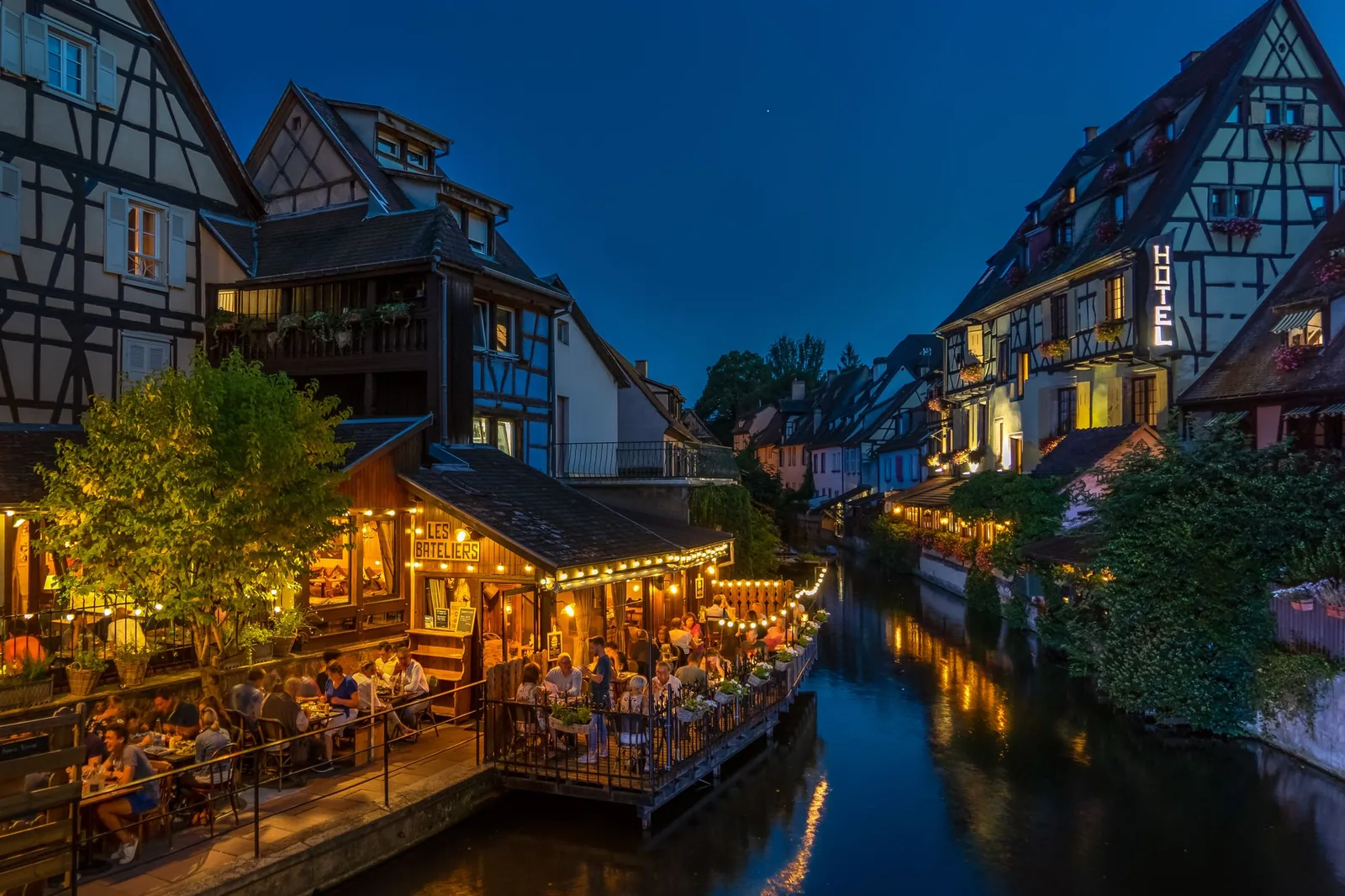
If you have seen one photo of a pastel half-timbered house reflected in a canal under Christmas lights, it was probably Colmar. Its markets run from 23 November to 29 December 2026, Monday to Thursday 11am to 7pm and Friday to Sunday 10am to 8pm. The food market, big wheel and the Place Rapp attractions stay open until 3 January.
Colmar is small, so it is perfect as a day trip from Strasbourg (about 30 minutes by regional train). Stay until dark: the Little Venice quarter is the real show.
Money tip: Colmar's public transport is free on the December weekends of 5–6, 12–13 and 19–20 December 2026.
Strasbourg and Colmar together make one of the best 3-day Christmas trips in Europe. That is exactly the route our Alsace Glow guide plans out, day by day.
4. Prague, Czechia: Gothic spires and the best value
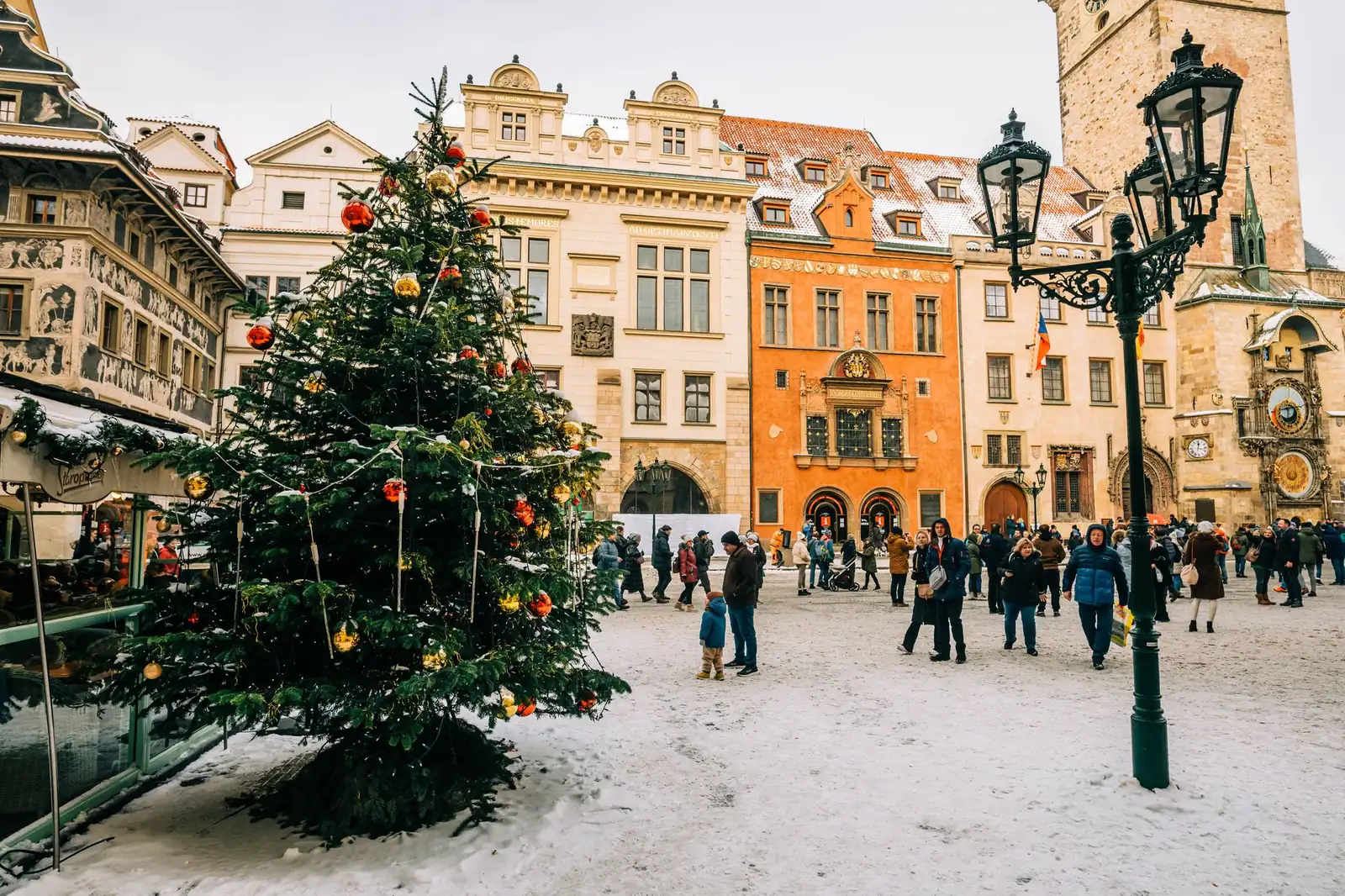
Prague's main markets on Old Town Square and Wenceslas Square run 28 November 2026 to 6 January 2027, daily 10am to 10pm. The giant tree in front of the twin-spired Týn Church is the photo everyone comes for, and it is one of the few big markets still open after New Year.
Prague is also cheaper than Vienna. In 2025 a 0.2-litre cup of svařák (Czech mulled wine) on Old Town Square cost about 100 CZK (around $4.60), and the Old Town is the most expensive spot in the city.
Insider tip: for a more local feel, start at Náměstí Míru (Peace Square), which opens earlier (20 November to 24 December), then walk to Old Town after dark. And don't plan around a Prague Castle market: there hasn't been one in recent years.
What to eat: klobása sausages, roasted chestnuts and trdelník, the sugar-crusted chimney cake. (Locals will tell you trdelník isn't really traditional Czech food, but it is delicious on a cold night.)
Trying to choose between the two? Read our Vienna vs Prague at Christmas comparison. Our Prague Enchanted guide covers 3 days in the city.
5. Nuremberg, Germany: the classic German market
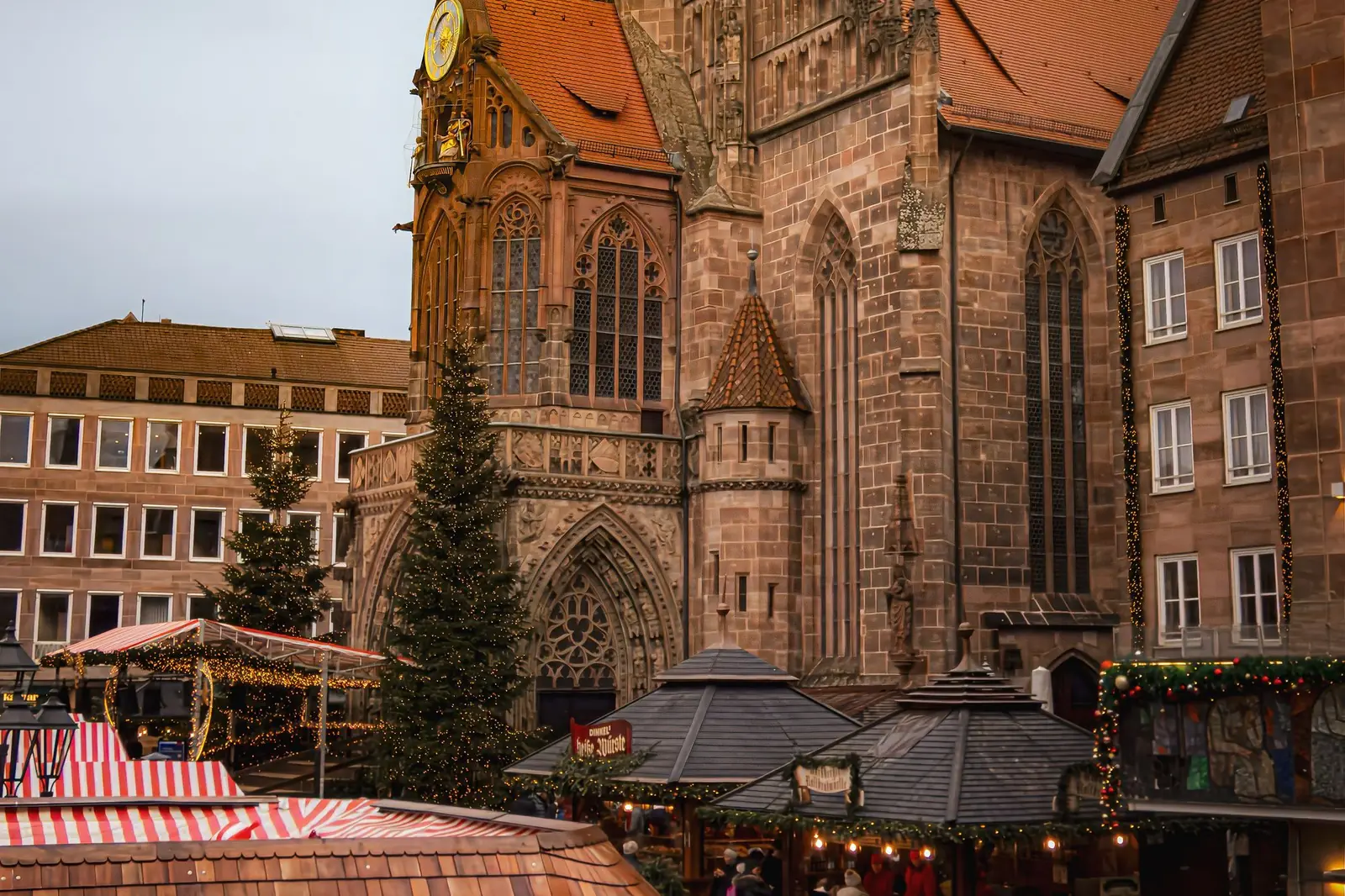
The Nürnberger Christkindlesmarkt fills the Hauptmarkt below the Frauenkirche from 27 November to 24 December 2026, daily 10am to 9pm. It opens with the Christkind's Prolog, read from the church balcony on Friday 27 November at 5:30pm. Expect a huge crowd and real goosebumps.
What to eat: Nürnberger Rostbratwürste (three small sausages in a roll), and Lebkuchen, the city's famous gingerbread.
Insider tip: the market closes at 2pm on 24 December, so don't plan a Christmas Eve evening here.
6. Salzburg, Austria: Mozart, mountains and candlelight
The Salzburger Christkindlmarkt on Domplatz and Residenzplatz, right in front of the cathedral, runs 19 November 2026 to 1 January 2027. The fortress above and the Alps behind make it one of the most atmospheric settings in Europe. It is about two and a half hours from Vienna by train, so you can visit both on one trip.
7. Cologne, Germany: the cathedral market
Cologne's market at the foot of the twin-spired cathedral runs 16 November to 23 December 2026. It is closed on Sunday 22 November, a public day of remembrance. Cologne has several other markets within walking distance, so you can see three or four in an evening.
8. Copenhagen, Denmark: Christmas in Tivoli
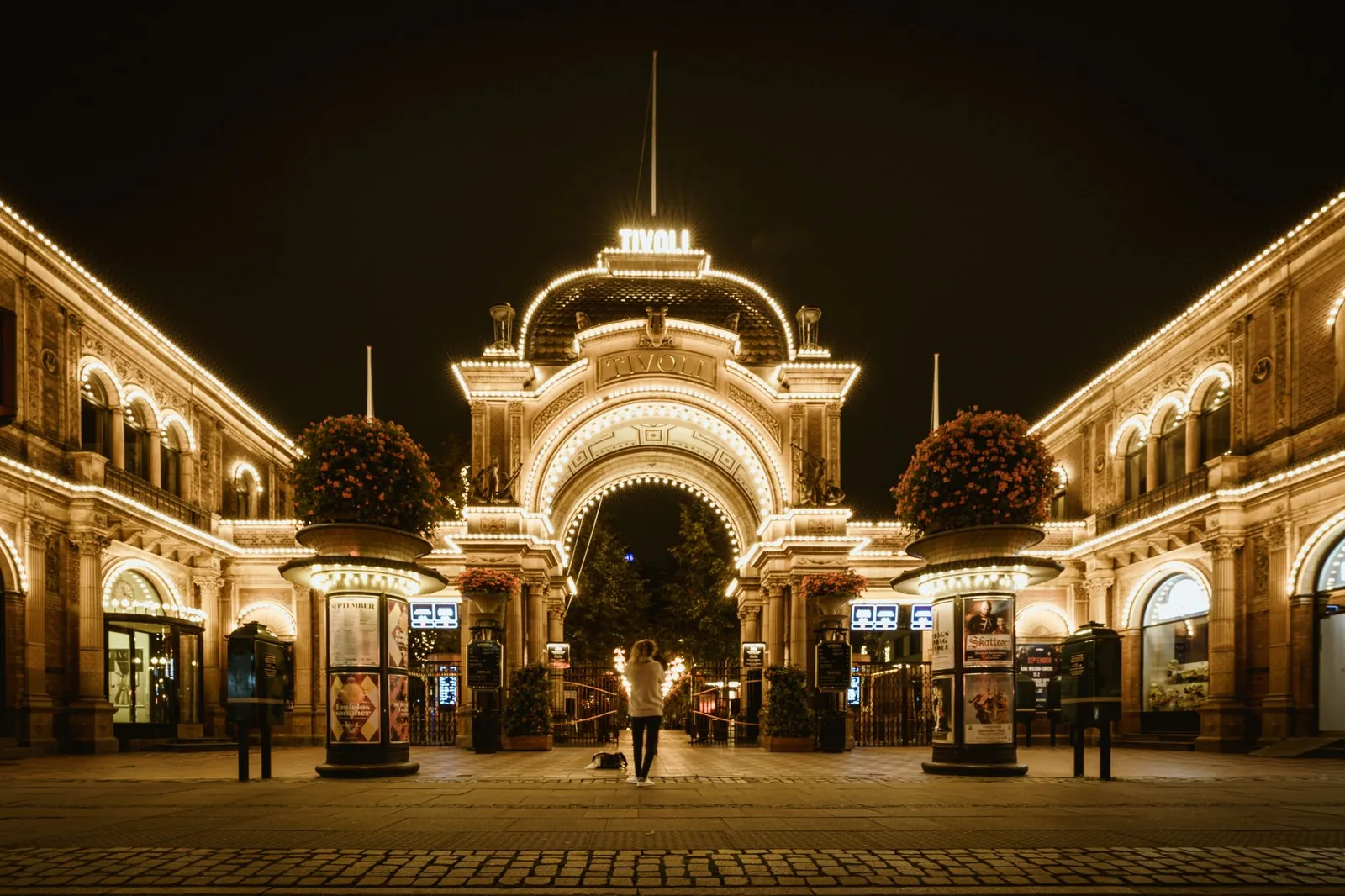
Christmas in Tivoli runs 13 November 2026 to 3 January 2027. Copenhagen's visitor service doesn't list Tivoli among the places open on 24 December, so don't count on Christmas Eve. Unlike most markets, Tivoli is a ticketed amusement park, with adult entry from 210 kr (about $31). Think of it as a whole evening out: lights over the lake, rides, stalls and a festive dinner.
What to try: gløgg (Danish mulled wine with raisins and almonds) and æbleskiver, little round pancakes dusted with sugar and served with jam.
Insider tip: book weekend entry ahead. See our Copenhagen Hygge guide for a full 3-day plan.
9. Budapest, Hungary: open until New Year's Eve
Vörösmarty Square runs 13 November to 31 December 2026, with the square open until 3am into New Year's Day. The craft stalls close after 28 December, but the food and drink keep going. Try kürtőskalács (chimney cake) and a hot mulled wine on the Danube promenade.
10. Tallinn, Estonia: the wildcard
Tallinn's medieval Town Hall Square hosts its market from 20 November 2026 to 6 January 2027. It's smaller and quieter than the big names, and it is set around what Tallinn calls the world's first public Christmas tree. Try the glögg: dozens of varieties are served (with a €2 deposit on reusable cups). With snow, it is pure magic.
Bonus: Dresden's Striezelmarkt
Billed as Germany's oldest Christmas market, the Striezelmarkt reaches its 592nd edition in 2026, running 25 November to 24 December on the Altmarkt. Come here for Stollen, the city's famous fruit bread.
How to plan a Christmas market trip (without stress)
When to go
- Late November to mid-December is the sweet spot: everything is open and it isn't yet the pre-Christmas peak.
- Weekdays beat weekends, everywhere. If you can, put your "big" market on a Monday to Thursday.
- Dusk is golden hour. Arrive at around 4pm to see the lights switch on, then stay for the evening glow.
Easy multi-city routes
- Vienna + Prague: about 4 hours by direct train, with advance fares from around €15–20.
- Vienna + Salzburg: about 2.5 hours by train.
- Strasbourg + Colmar: about 30 minutes by regional train. Base yourself in Strasbourg.
- Paris + Strasbourg: about 1 hour 46 minutes by TGV.
Budget tips
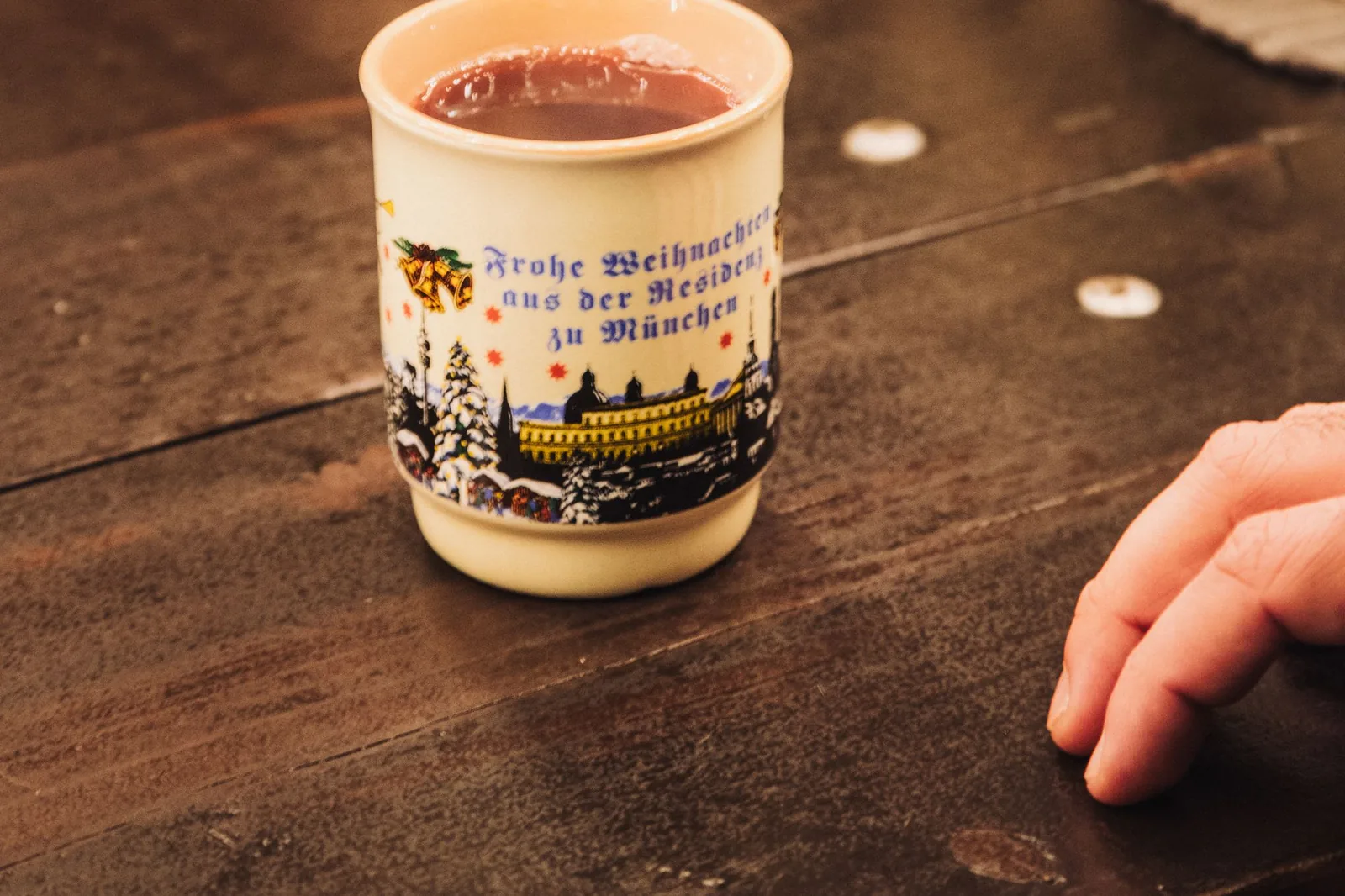
- Mug and cup deposits are normal: about €5 in Vienna and €1 in Strasbourg. Return the mug, or keep it as your cheapest souvenir.
- Eat your main meal at a market. Sausages, soups and dumplings are filling and cost less than a sit-down dinner.
- Get a transport pass. Vienna's 24-hour ticket costs €9.70 (about $11). In Prague, a 24-hour ticket is 140 CZK (about $6.40) in the PID Lítačka app.
- Prices in this guide use roughly €1 = $1.12 and $1 = 21.8 CZK (late October 2026).
What to pack
Layers, waterproof boots, a warm hat and gloves you can tap a phone screen in. December evenings in Central Europe often hover around freezing, and you will be standing outside for hours.
Want the whole trip planned for you?
If you'd rather skip the research, our Winter Collection bundles five ready-made 3-day Christmas itineraries: Vienna, Prague, Strasbourg & Colmar, Copenhagen and New York. It costs $24.99 at the time of writing (early-bird price until 15 November, $64.95 if bought separately). Each one is a photo-rich PDF with the 2026 market dates, routes, food stops and one-tap map links.
FAQ
What is the best Christmas market in Europe?
For a first trip, Vienna is the best all-round choice, with more than a dozen markets, palace settings and long opening seasons. For pure fairy-tale charm, Colmar and Strasbourg in Alsace are hard to beat. Prague is the best value.
When do European Christmas markets open in 2026?
Most open between mid- and late November. Vienna's Schönbrunn market opens on 6 November, Vienna's Rathausplatz and Copenhagen's Tivoli on 13 November, Colmar on 23 November, Strasbourg and Nuremberg on 27 November, and Prague's Old Town Square on 28 November 2026.
Which Christmas markets are open after Christmas?
In 2026 Prague (to 6 January), Vienna's Schönbrunn (to 6 January), Tallinn (to 6 January), Copenhagen's Tivoli (to 3 January), Salzburg (to 1 January) and Budapest (to 31 December) stay open after Christmas Day. Strasbourg, Nuremberg and Cologne close by Christmas Eve.
How many days do you need for a Christmas market trip?
Plan 2–3 days per major city. That is enough to see the main market, a few smaller ones and the city's sights without rushing. Five to seven days works well for two cities, such as Vienna and Prague, or Strasbourg plus Colmar.
Are European Christmas markets expensive?
Entry is free at most markets (Tivoli, a ticketed amusement park, is the exception). In 2025 a mulled drink cost about €5.50 in Vienna and about 100 CZK (around $4.60) on Prague's Old Town Square, plus any mug deposit. Market food is often cheaper than a restaurant meal.